Meet the Institute
Our Vision
Our vision is to be leaders in the resurgence of cultures rooted in regenerative place-based subsistance lifeways.
Our Mission
Our mission is to promote rewilding through place-based arts, skills, and healing. This comes to life in the form of sanctuary, gathering, and experiential education.
Liberation Statement
As queer neurodivergent interracial rebel-healers, liberation is core to who we are and is embodied through our lived praxis and the communities we serve.
Meet the Team
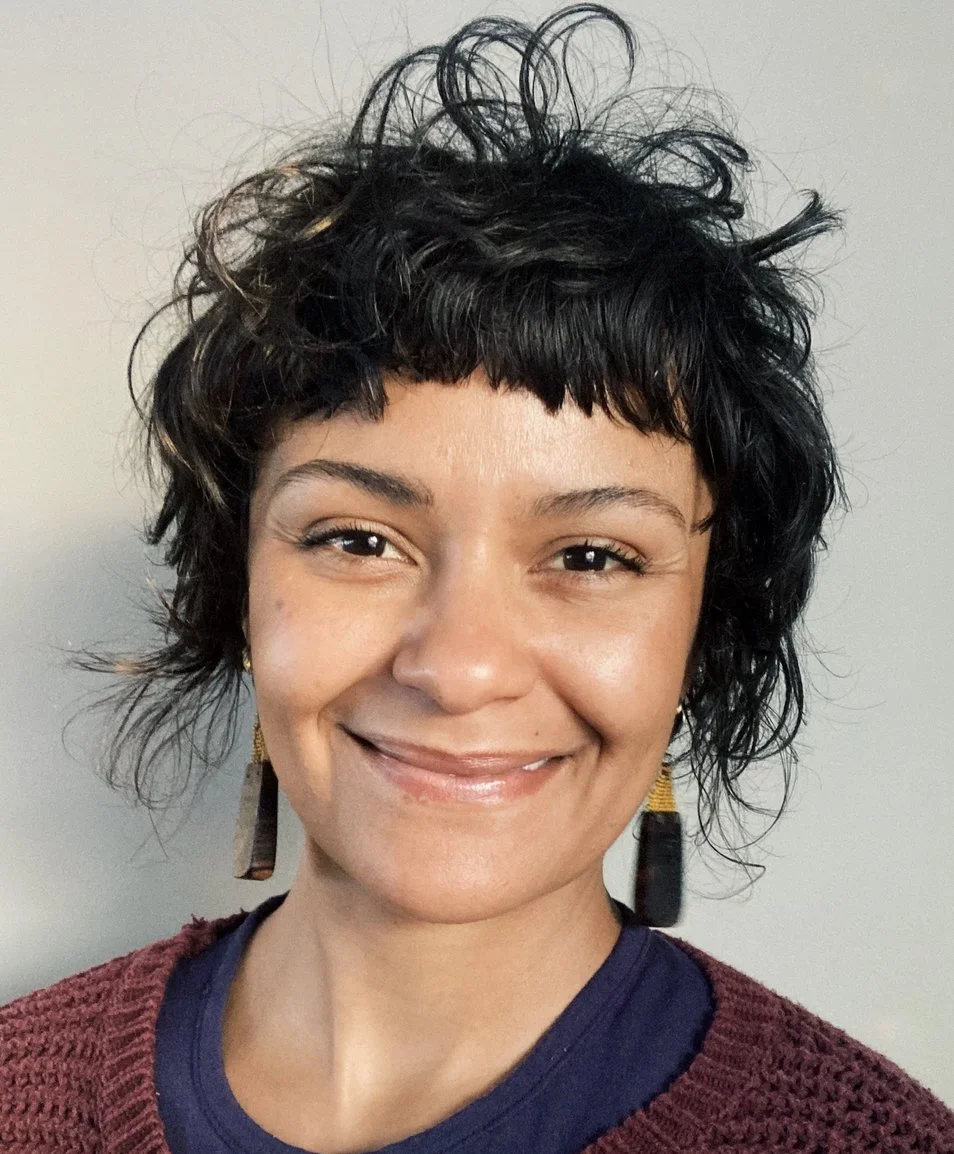
Dr Michael Lynn Wellman
Co-Founder, Executive Director
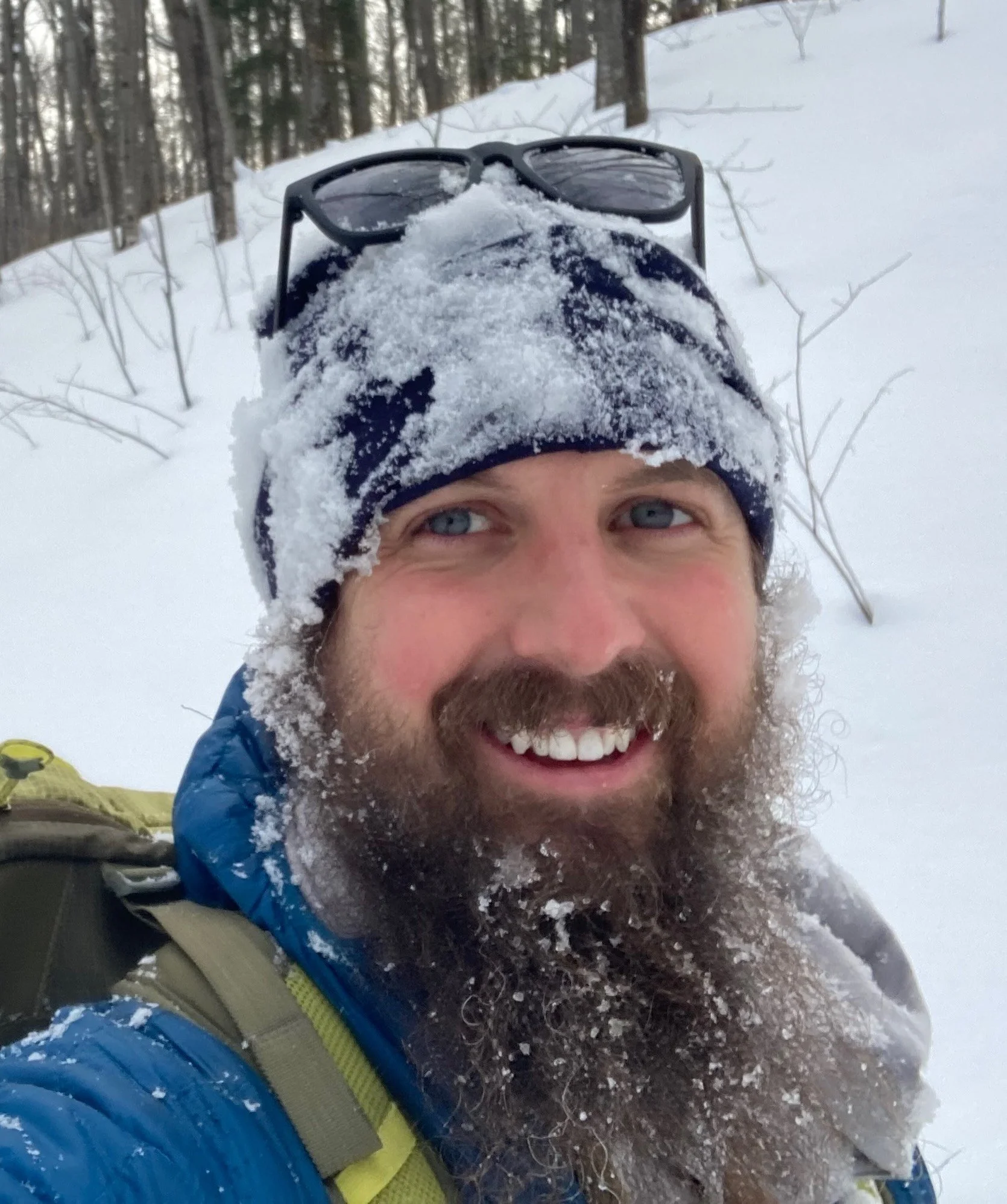
Michael Lynn Wellman (he/him) is a spouse, father, companion, protector of water, tender of land, braider of connection, dropper of knowledge, walker of edges, adventurer of the out of doors, guardian of the wild, and doctor of rewilding.
Michael holds a PhD in Ecology, Spirituality, and Religion from the California Institute of Integral Studies, as well as an MA in Outdoor Leadership and an MBA.
Michael specializes in accessing wildness through practices ranging from outdoor adventure, natural movement, and deep nature connection to eroticism, entheogens, and embodiment.
Michael loves mountains and islands, climbing and skiing, and all forms of locomotion through wild spaces.
Dr tayla shanaye
Co-Founder, Creative Director
tayla shanaye (she/they) is a biculturally Black somatic decolonial Black feminist scholar, educator and coach. tayla has a master’s in somatic counseling psychology and a doctorate in women’s spirituality from the California Institute of Integral Studies.
tayla is the founder of Embody the Revolution through which tayla provides somatically-oriented therapeutic coaching for private clients, somatic education and consulting for adults and university students, and somatic mentorship.
tayla is also an author, mother, the Co-Founder of the retreat center We the Earth located in Northern Michigan (Anishinaabe territory) and is on the faculty of Weaving Earth and Coaching for Healing, Justice and Liberation.
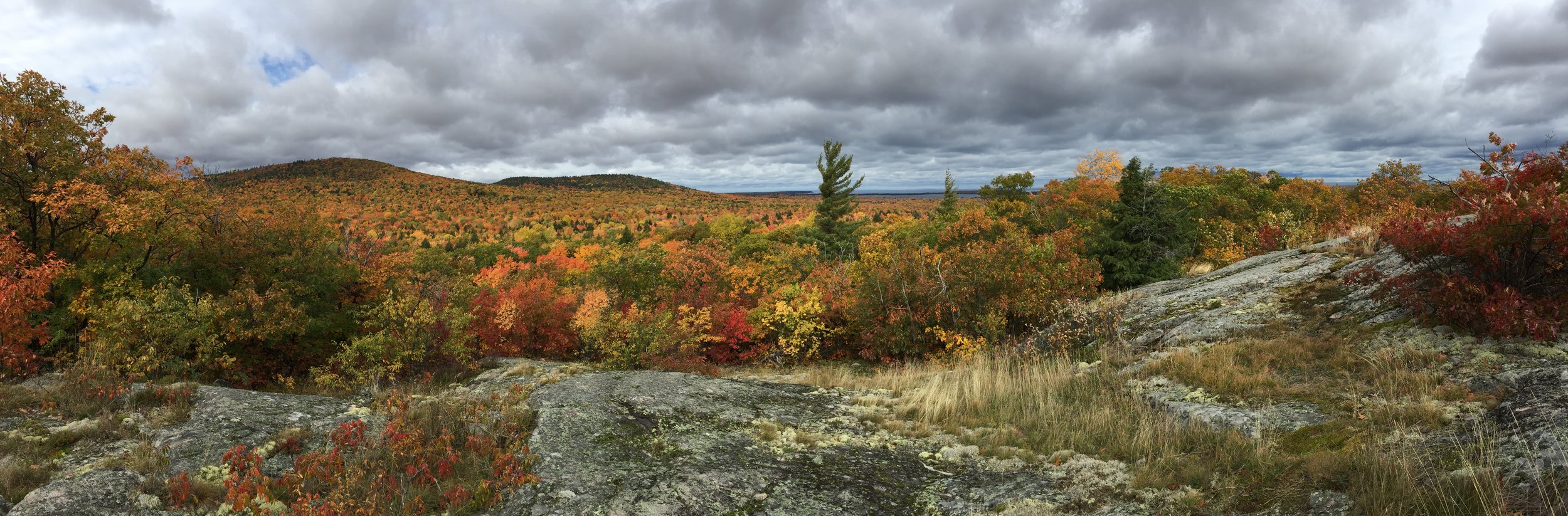
Meet the Land
The land is core to who We The Earth is.
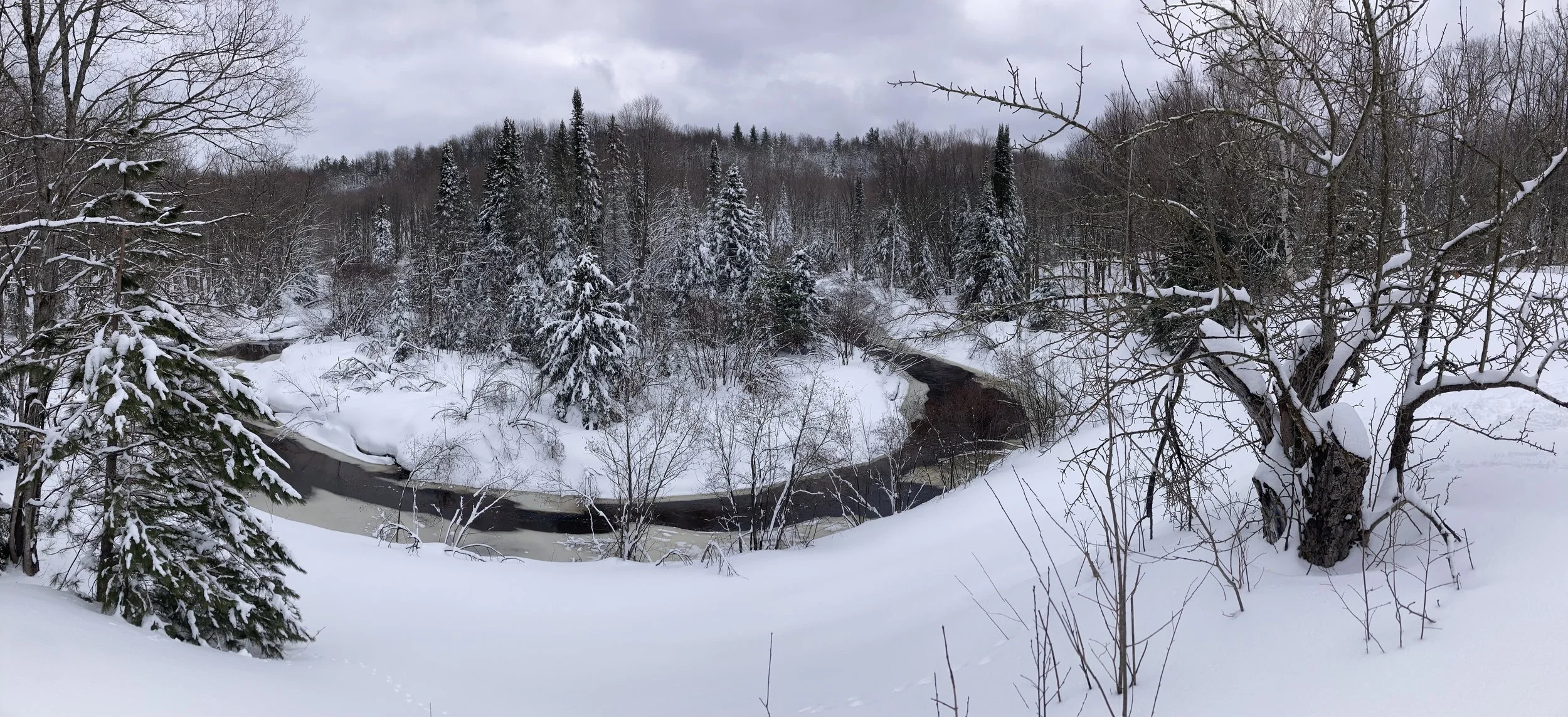
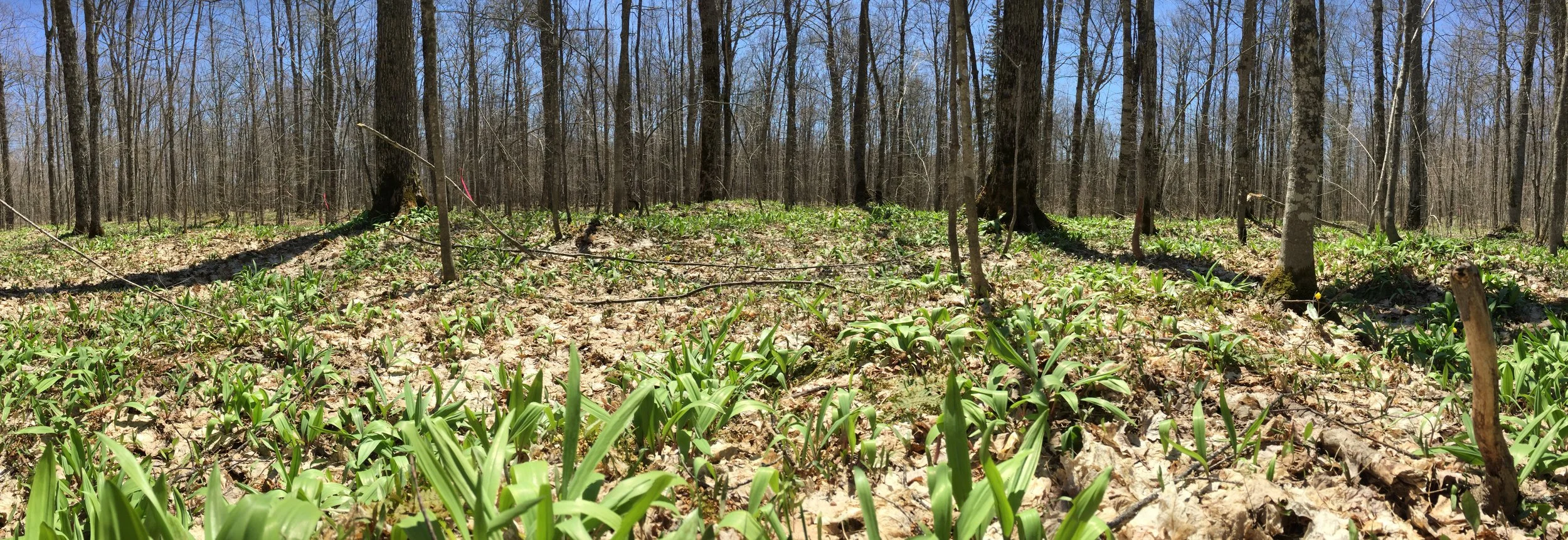
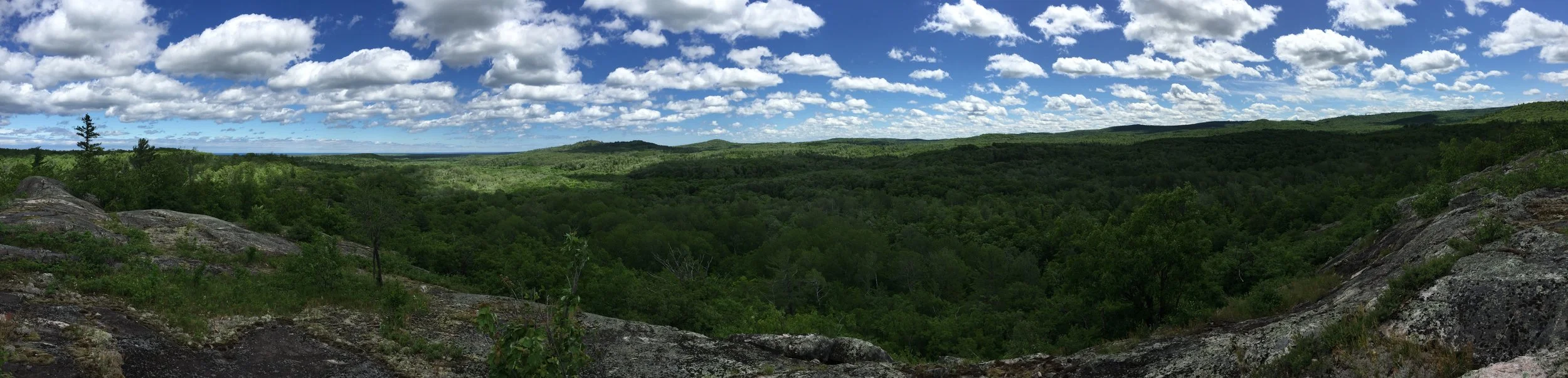
The institute is located in the Northwoods of the Upper Peninsula of Michigan, in the Huron Mountain Range on the south shores of Gichigami (Lake Superior), where the spring-fed Bushy Creek falls into the Yellow Dog River. These are occupied Anishinaabek 1842 Treaty lands.
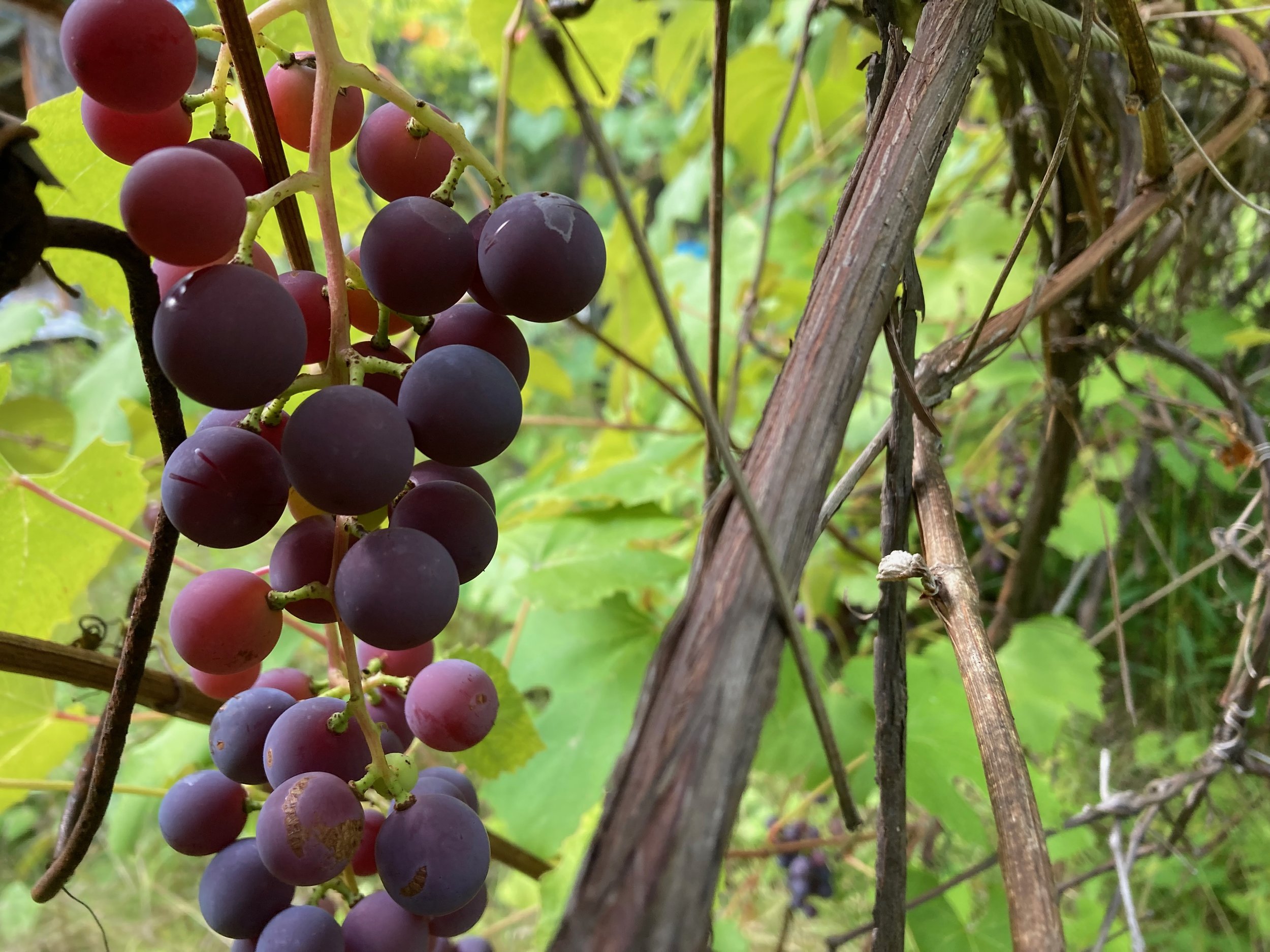
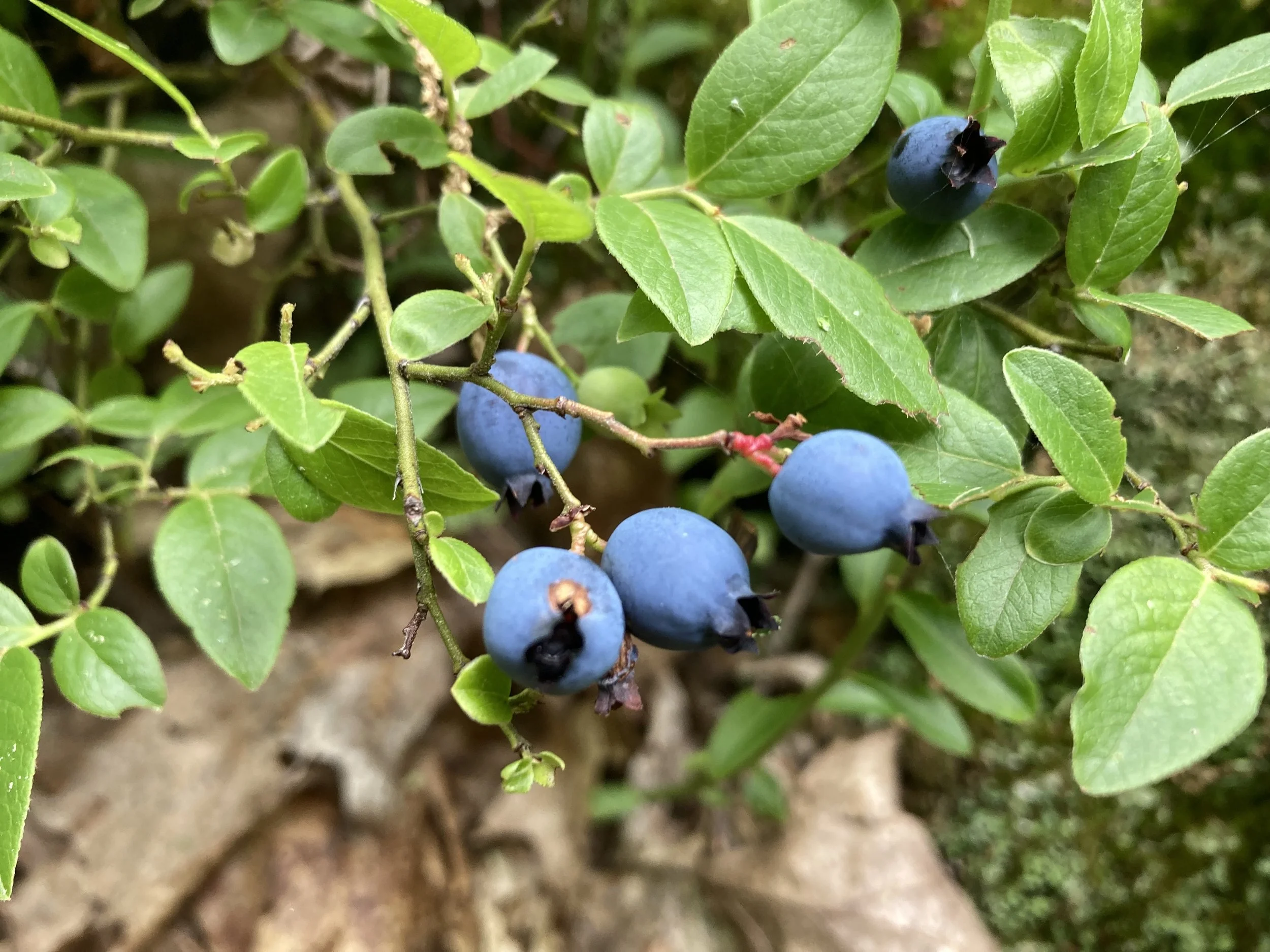
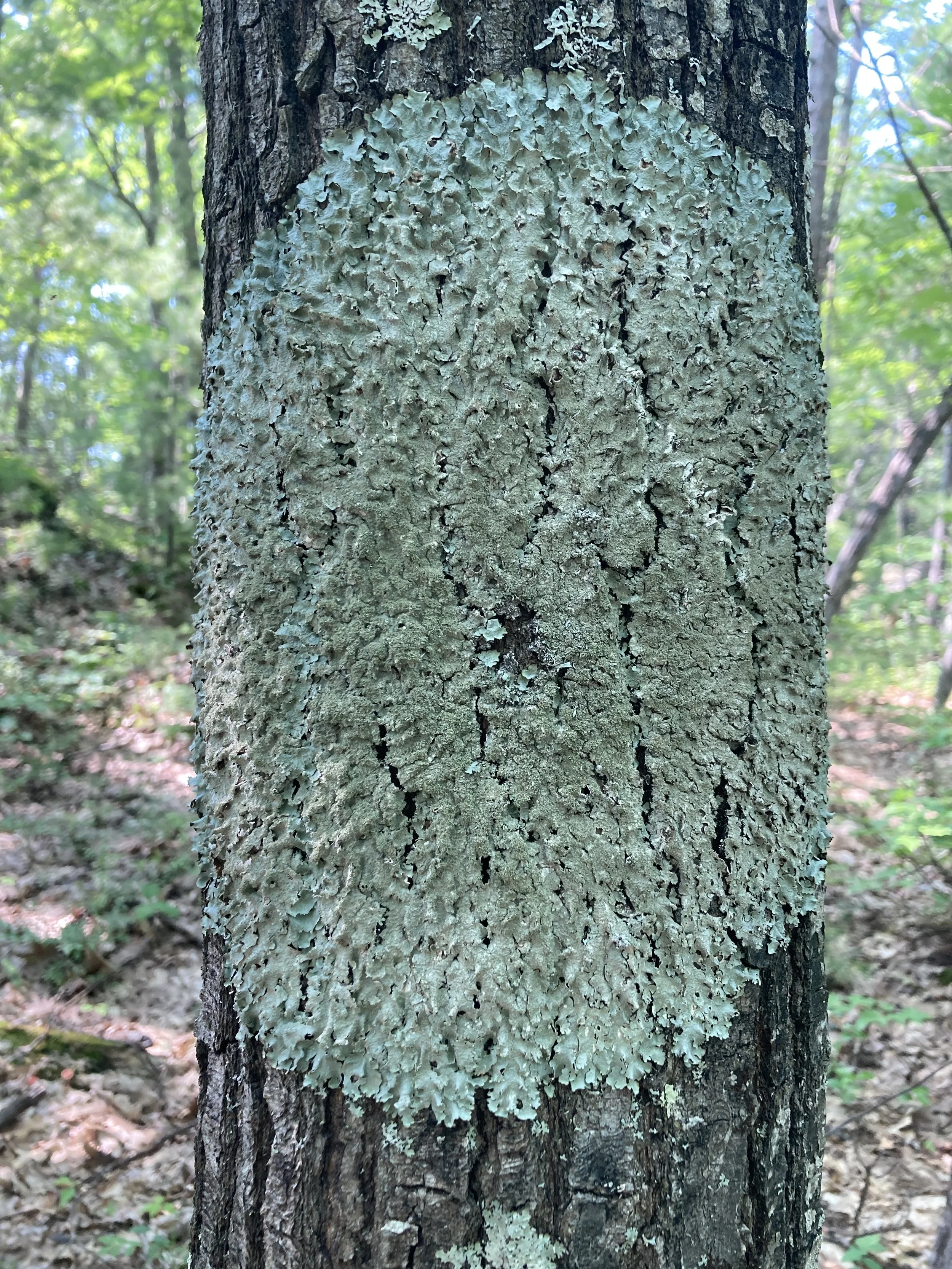
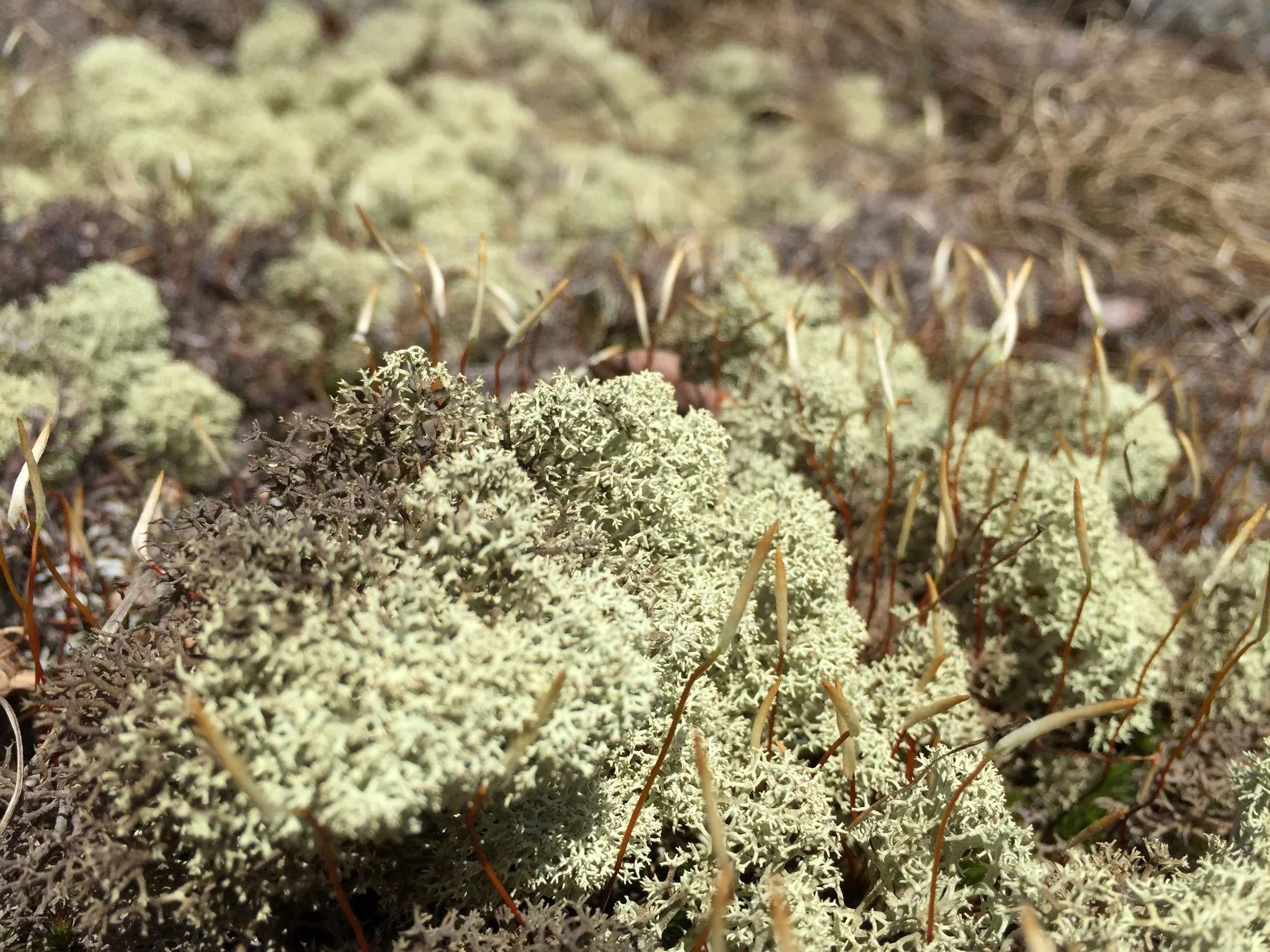
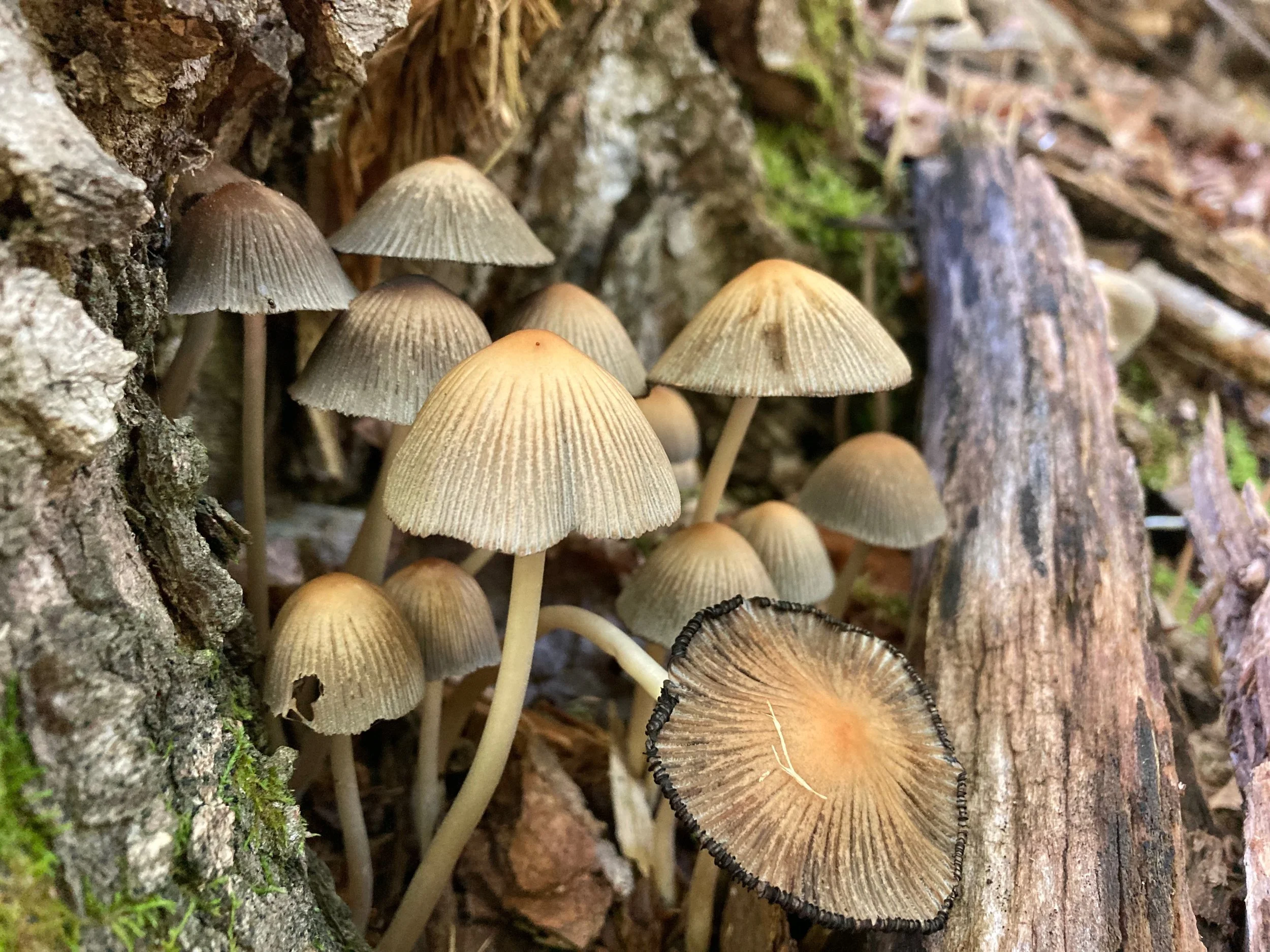
The institute resides on a plateau of the river canyon, nestled underneath a prominent rocky outcropping mountaintop. These ancient rocks are dated to over three billion years old, are home to reindeer lichen, and offer breathtaking views of Gichigami and alpine-esque climbing. Overlooking the river canyon, the institute is surrounded by the lushness of the riparian zone and the soundscape is filled with falling water. Old-growth white pine and poplar tower overhead, berry shrubs and bushes abound, and mushrooms hide away underfoot. You’ll hear the chorus of songbirds and the yips and howls of canines and see the tracks of bears, cats, and mustelids.
The institute is situated where two ridge lines meet at the river, with the Bushy Creek snaking through them. Another seasonal creek spills over one ridgeline offering a cascading and tranquil waterfall. With ridges, ravines, creeks, and steep topography, the land is rugged and wild. As one of our native elders says, “the magik happens in the crumple.” And this place is in the heart of the crumple. It’s not uncommon to feel the presence of faeries, sirens, and Sasquatch.
The institute is surrounded by preserved land. The north boundary abuts 240 acres of public State of Michigan land. The south boundary abuts >1,000 acres of Community Forest stewarded by the Yellow Dog Watershed Preserve, offering opportunities to walk to a series of waterfalls. A short vehicle ride away, one can visit public sandy beaches, mountain biking trails, the North Country Trail, the McCormick Wilderness, and more.
We are still piecing together the (pre-/)colonial history of this place. For sure, the trails along the river corridor of Osawi Sim E Nag (the Yellow Dog), which are now walked by the fly fisher people, have been traversed since time immemorial. The history of the “camp” dates back over a century and is rooted in extractivism, with rumors of this place housing a chicken farm during the original logging era, when skinny-track trains made their way up the river canyon. For the past century, the camp has mostly housed White men seeking solace, a complex relationship that we are actively tending. Michael and Tayla currently “own” the land in the way no human can own the earth and are actively working towards some form of rematriation landback.
For more information on the watershed, check out this Story Map and this Watershed Zine.